What Do You Think?
Curiosity

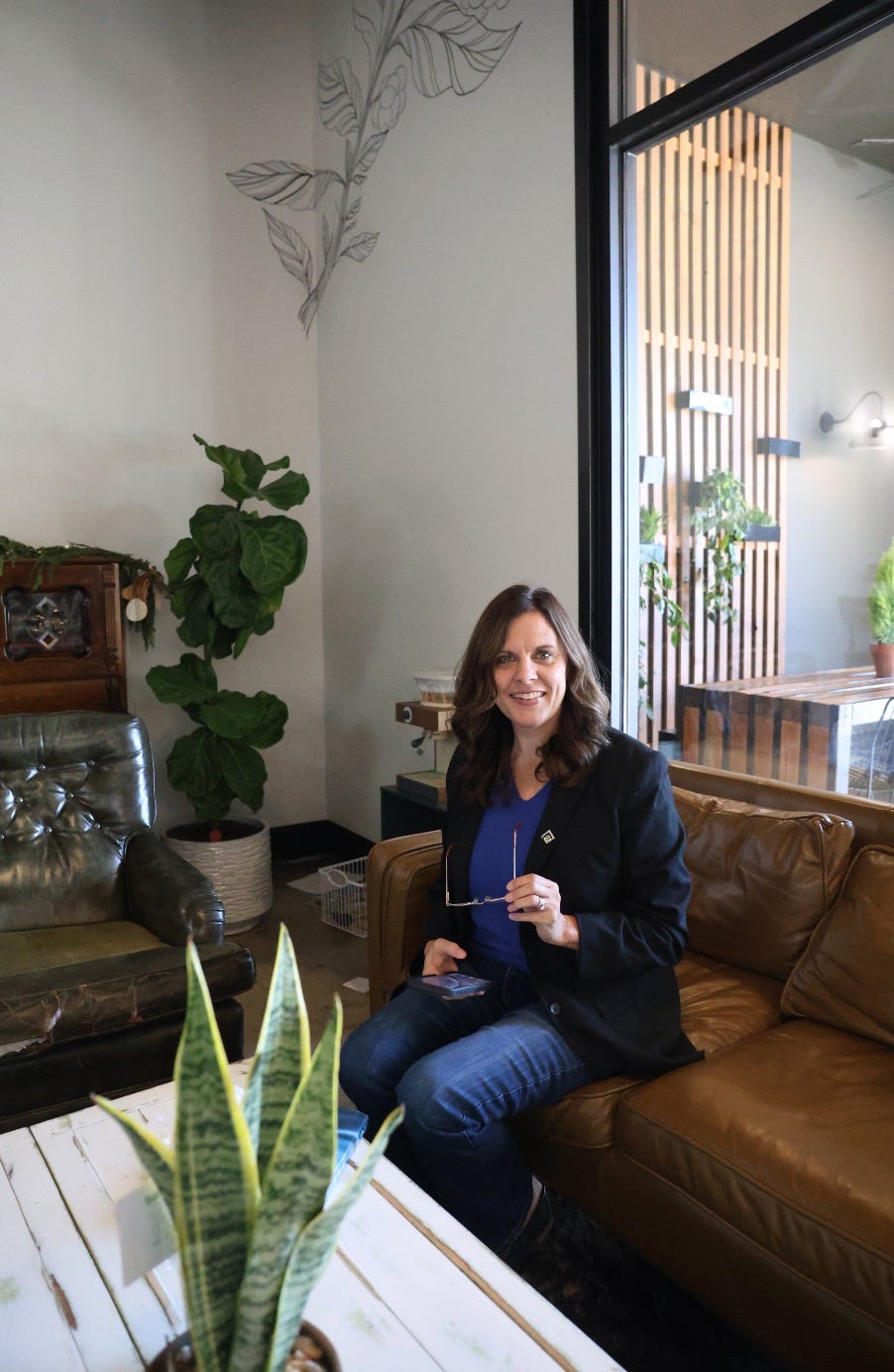
This may be unusual content from me, however it does apply to YOU. Typically, I am writing about leadership strategies and interactions within my network that may be helpful or useful to you and your team. I am curious and I think you are a curious person, too.
This week, I spent time visiting with a local Agricultural Commissioner and had the opportunity to catch up with a colleague who farms on the Central Coast. As often happens in these conversations, we quickly found ourselves talking about increasing pressure. This pressure was in the pest form….diamondback moth in veggies.
For me, this was both familiar and grounding.
Diamondback moth was a pest I learned a great deal about in college in the late 1990s, thanks to exceptional professors who shaped my understanding of agriculture, science, and systems thinking. They taught far more than pest identification or control strategies. They taught curiosity, discipline, and respect for the complexity of living systems. Thank you Cal Poly professors Dr. David Headrick, Dr. Wyatt Brown, Dr. Joanne Wheatley, Dr. Scott Steinmaus and Professor Lou Harper.
Early in my career, I also learned from a professional whose work left a lasting impact on leafy greens and cole crop production across Arizona and the West Coast. John Palumbo’s knowledge, research, and practical wisdom influenced growers, PCAs, researchers, and regulators alike. John passed away this past year, and his absence is deeply felt throughout the agricultural community.
Yesterday, as I was thinking about him and the legacy he leaves behind, I revisited a video highlighting his work. It reminded me that progress in agriculture rarely comes from shortcuts. It comes from decades of observation, research, trial, error, and collaboration.
Out of curiosity, I did a brief search to see what current research and tools might be emerging. I learned there may be a new product in development aimed at managing diamondback moth. If it moves forward, it could still be 12 to 18 months away and would depend on approval decisions by California regulators. That timeline, and the uncertainty around it, is something many in our industry are navigating daily.
That led me to a bigger question.
What Do You Think?
You may be saying, “I don’t grow veggies, so this isn’t my problem.” The bigger questions are beyond this week’s experience and example.
What do you think about how we are managing pest pressure in California today?
What do you think about the dual approval process that crop protection products must go through at both the national and state level? Is it necessary?
What do you think about emergency exemptions when options are limited? Should they be allowed? Under what circumstances?
What do you think about balancing environmental protection, food security, grower viability, and scientific innovation in a state as complex as California?
As I look ahead to 2026, my Substack series will be built around this idea of curiosity and conversation. As a lifelong learner, I am always drawn to learning from the experiences and perspectives of others. I know many of you are lifelong learners as well. Some of you are experts in this field. Others are emerging professionals still shaping your point of view.
All of those perspectives matter.
This space is not about telling you what to think. It is about asking better questions, learning from one another, and creating room for thoughtful dialogue in an industry that is often required to move quickly and decide under pressure.
So I will keep asking.
What do you think?